
Latest News
"Survey Reveals Younger Craftspeople's Surprising Stance on Continuing Family Traditions"
18, May 26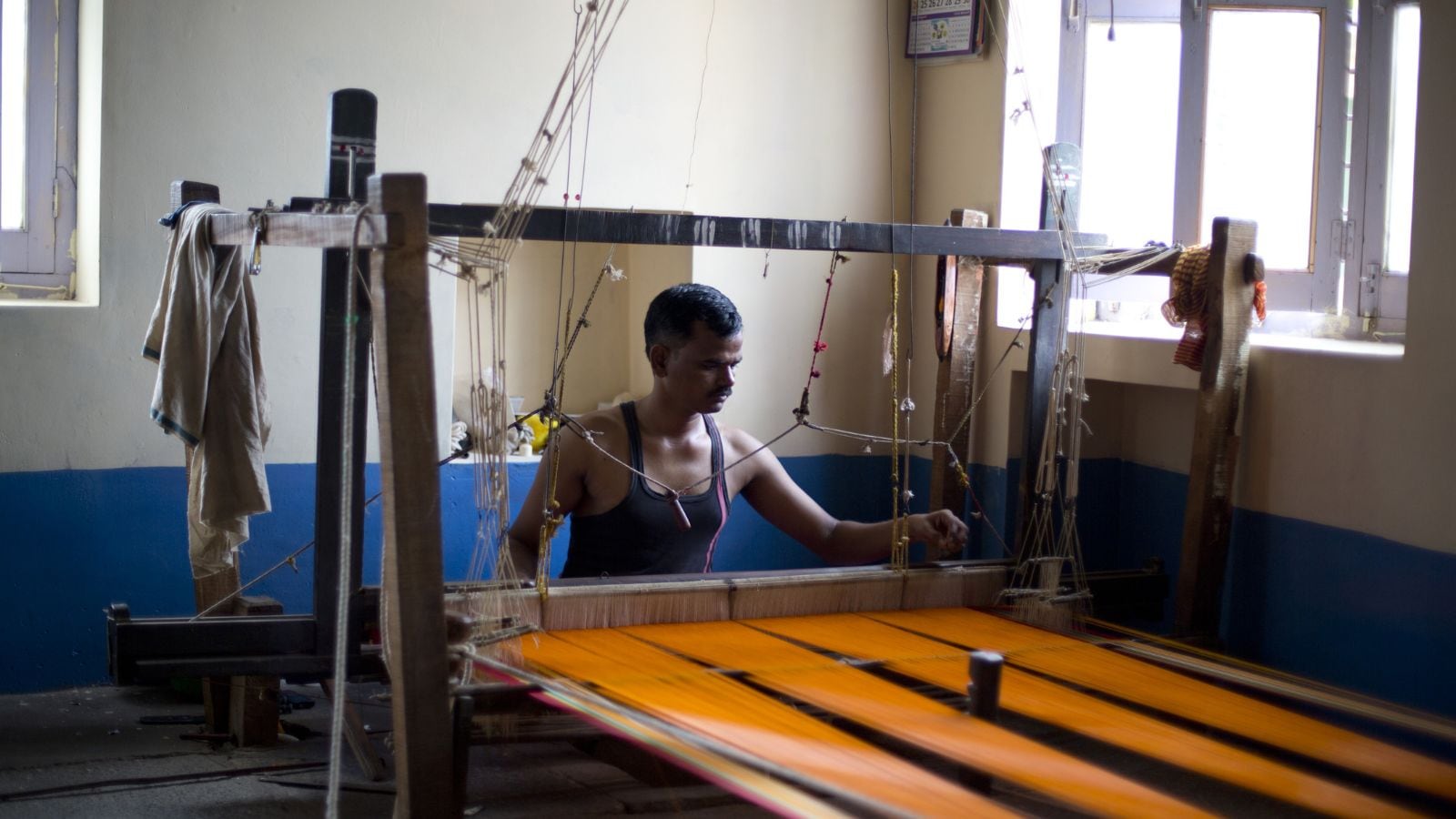
The Economics of Indian Craft: A Deep Dive into the Handicraft and Handloom Sector
The recently conducted study on the Economics of Indian Craft sheds light on the intricacies of the crafts sector in India, offering insights into its size and providing a roadmap for future research aimed at enhancing resilience within the industry.
Good News and Bad News for Artisans
Delving into the report, we uncover a mix of good news and bad news for artisans across India. The unfortunate reality is highlighted by the fact that a weaver in Tamil Nadu, responsible for crafting exquisite Kanjivaram saris, earns a meager Rs 270 per day. Despite being a significant source of employment, second only to agriculture, the handloom sector grapples with issues of underpayment and lack of recognition.
However, amidst these challenges, a silver lining emerges post-Covid. The younger generation, equipped with smartphones and access to online training programs, is rediscovering the value of traditional crafts. Artisans' children, who once viewed their parents' profession with disdain, are now embracing it as a part of their heritage and leveraging technology to revitalize the handmade tradition.
Empowering Artisans for a Sustainable Future
While the demand for handcrafted products like Assamese mekhela chadors and Kanjivaram saris remains high, artisans continue to face hurdles such as skill development, market access, and inadequate craft infrastructure. The disparity between the selling price of these products and the earnings of the craftsmen underscores the need for interventions to uplift the sector.
Insights from the 'Economics of Indian Craft' Report
The comprehensive report, titled 'Economics of Indian Craft: Estimating Employment and Value Added in the Handicraft and Handloom Sector,' jointly conducted by the Crafts Council of India (CCI) and the Institute of Human Development (IHD), offers a detailed analysis of the handloom and handicraft landscape in India.
Key findings from the survey, conducted across five states - Assam, Rajasthan, Tamil Nadu, Uttar Pradesh, and West Bengal - reveal that a significant number of artisans, estimated at 113 lakh, contribute to the handicrafts industry. However, a concerning revelation is the prevalence of unregistered handloom establishments, indicating a lack of formal recognition and support.
Charting a Path Forward
Experts, including Prof. GC Maa, emphasize the urgent need to recognize and preserve India's rich tradition of handmade crafts. The report underscores the importance of empowering master craftspersons, particularly women who constitute 71.6% of the craftspeople in the surveyed states, by providing them with technical education and access to resources.
As the industry grapples with challenges such as raw material sourcing and financial constraints, there is a growing momentum among the youth to embrace entrepreneurship and enhance their marketing skills. The report advocates for a collaborative approach, calling for technology and design institutions to support master craftspersons in their vital role as mentors and custodians of traditional knowledge.
For the latest updates on the Indian crafts sector and more insightful reports, follow us on Instagram.
Weather Update
TRENDING STORIES
Copyright © 2026 Samachartimeshindi.com News24/7 All Rights Reserved. Designed By Websbird Technologies