
Latest News
"Parliamentary Panel Warns: NFSA Coverage May Exclude Eligible Households Based on Outdated Census Data"
16, Mar 26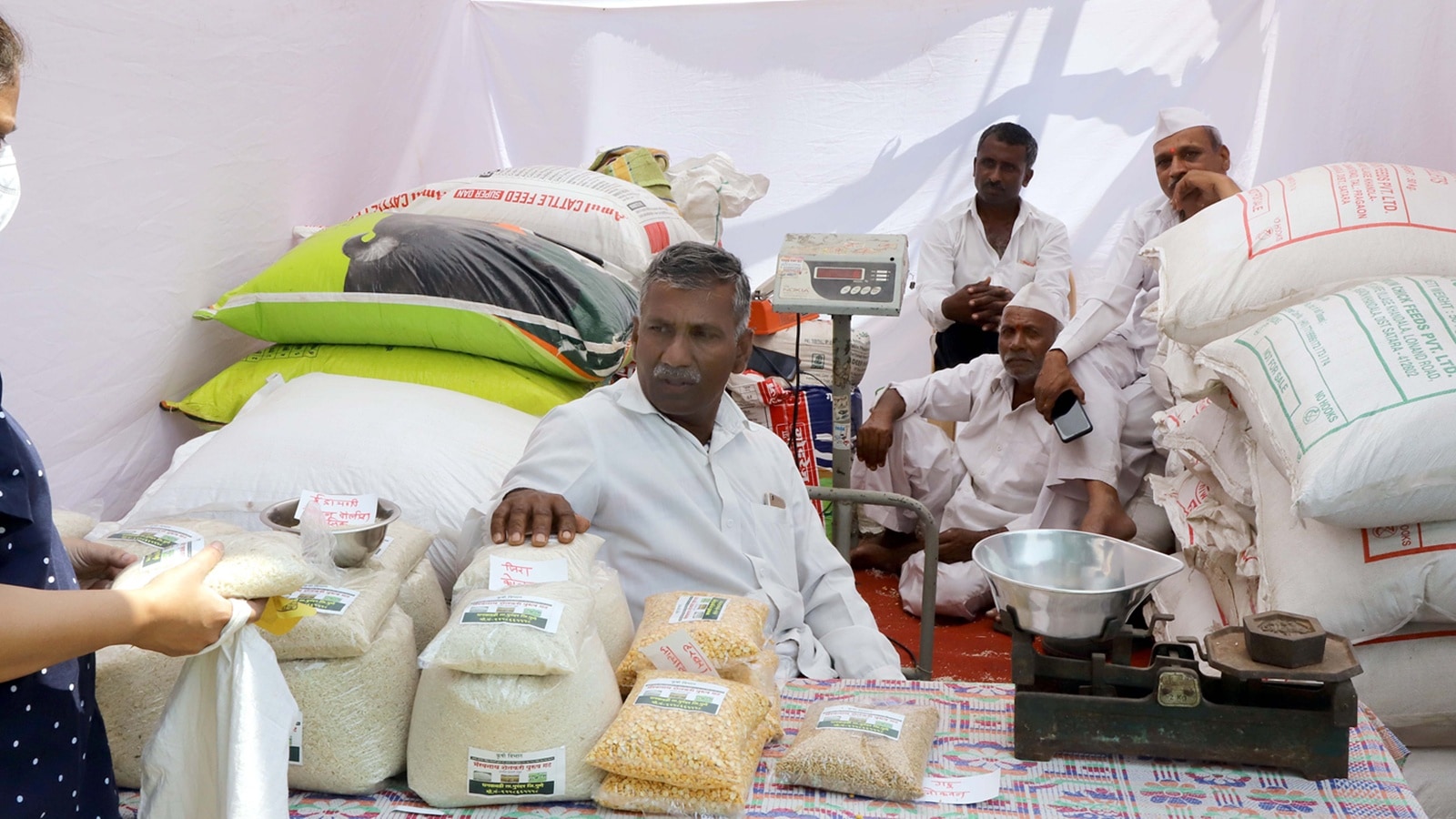
The National Food Security Act (NFSA) provides essential coverage to a significant portion of the Indian population, with up to 75% of the rural population and 50% of the urban population being beneficiaries, totaling 8135 crore individuals as per the 2011 Census data.
A recent report presented in the Lok Sabha by the Standing Committee on Consumer, Food, and Public Distribution has raised concerns about the potential exclusion of newly eligible and vulnerable households due to the reliance on outdated 2011 Census data for determining NFSA coverage.
The committee, led by DMK member Kanimozhi Karunanidhi, emphasized the importance of undertaking a comprehensive and time-bound exercise to update the beneficiary database. It highlighted that while the scheme currently covers around 8056 crore beneficiaries, approximately 0.79 crore eligible persons are yet to be identified and included under the NFSA.
Recognizing the impact of factors such as population growth, migration, and socio-economic changes, the committee recommended that the government collaborate with State/UT governments to intensify the identification process and periodically revise coverage limits in alignment with updated population estimates.
Enacted in 2013 by the then UPA government, the NFSA aims to provide subsidized food grains to those in need, with provisions for rice at Rs 3/kg, wheat at Rs 2/kg, and coarse cereals at Rs 1/kg. Additionally, the government has decided to offer free food grains to beneficiaries to ensure food security for all.
Under the NFSA, each Antyodaya Aa Yojana household is entitled to 35 kg of food grains per month, while priority households receive 5 kg per person per month. Despite the intended coverage of 8135 crore persons, only 8056 crore beneficiaries are currently covered, leaving scope for identifying an additional 0.79 crore beneficiaries.
Section 9 of the NFSA emphasizes the importance of accurate population coverage under the Targeted Public Distribution System, highlighting the need for alignment with updated population figures to ensure no eligible individuals are left out.
For more timely updates, follow us on Instagram.
Weather Update
TRENDING STORIES
Copyright © 2026 Samachartimeshindi.com News24/7 All Rights Reserved. Designed By Websbird Technologies