
Latest News
"Nepal's Gen Z Rising Star Prime Minister Balendra Shah Faces Challenges, Struggles to Maintain Popularity"
14, May 26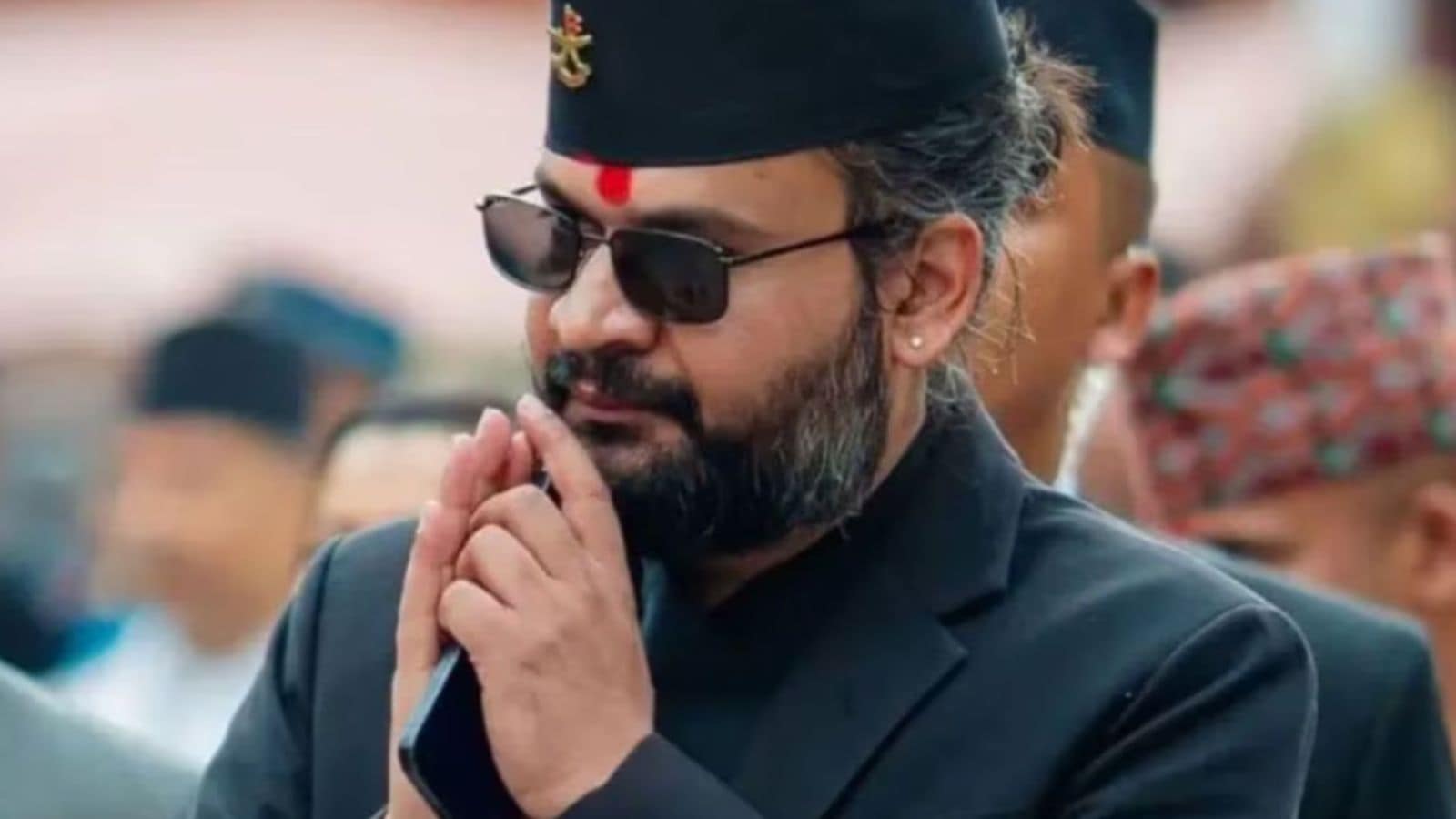
Less than two months after the Balendra Shah government ascended to power in a wave of hope and promise, criticisms are now surfacing regarding a series of controversial measures taken by the administration. The once-shining beacon of change in Nepal is now facing scrutiny for its actions, from ordinances facilitating legislative processes to granting the Prime Minister veto powers over the appointment of the Chief Justice.
In a recent setback for the Shah government, the Nepal Supreme Court intervened to halt the dissolution of trade unions and student organizations in universities, a move that was pushed through via an ordinance. Additionally, the court also restrained the government from evicting landless squatters without proper due process and rehabilitation.
The Prime Minister, a rapper-turned-politician, faced controversy when he attended the Parliament Session wearing white canvas shoes, deemed as too casual. His abrupt exit during the President's speech on government programs and policies, followed by a subsequent unaounced absence from Parliament, led to protests from the Opposition and forced adjournment.
The issuance of ordinances by the Shah government has garnered significant criticism from its own supporters, who view these actions as a betrayal of the reform agenda that propelled the government to power. Despite enjoying an absolute majority in the Lower House, the government lacks representation in the key Upper House, complicating the legislative process.
One of the most contentious ordinances involved altering the powers of the Constitutional Council, granting the Prime Minister veto authority over key appointments. This move sparked dissent within the council, with two members opposing the shift in power dynamics. The subsequent recommendation of Dr. Manoj Sharma as Chief Justice, bypassing senior judges, further fueled criticism.
Aside from domestic challenges, the Shah government has faced diplomatic missteps, including tensions with neighboring countries over territorial disputes and postponed high-level visits. The government's actions against prominent businessmen and its stance on foreign relations have come under scrutiny, requiring a delicate balance between domestic priorities and international engagements.
As the Shah government navigates through turbulent waters, efforts are underway to realign strategies and restore confidence both domestically and internationally. With a focus on addressing criticisms, fostering dialogue with stakeholders, and charting a pragmatic course forward, the government aims to regain momentum and deliver on its promises of change.
Stay tuned for the latest developments and in-depth analysis as the Shah government navigates the complexities of governance in Nepal.
Weather Update
TRENDING STORIES
Copyright © 2026 Samachartimeshindi.com News24/7 All Rights Reserved. Designed By Websbird Technologies