Latest News
"Mark Your Calendars: FM Nirmala Sitharaman to Present Budget 2026 - Date and Time Revealed!"
30, Jan 26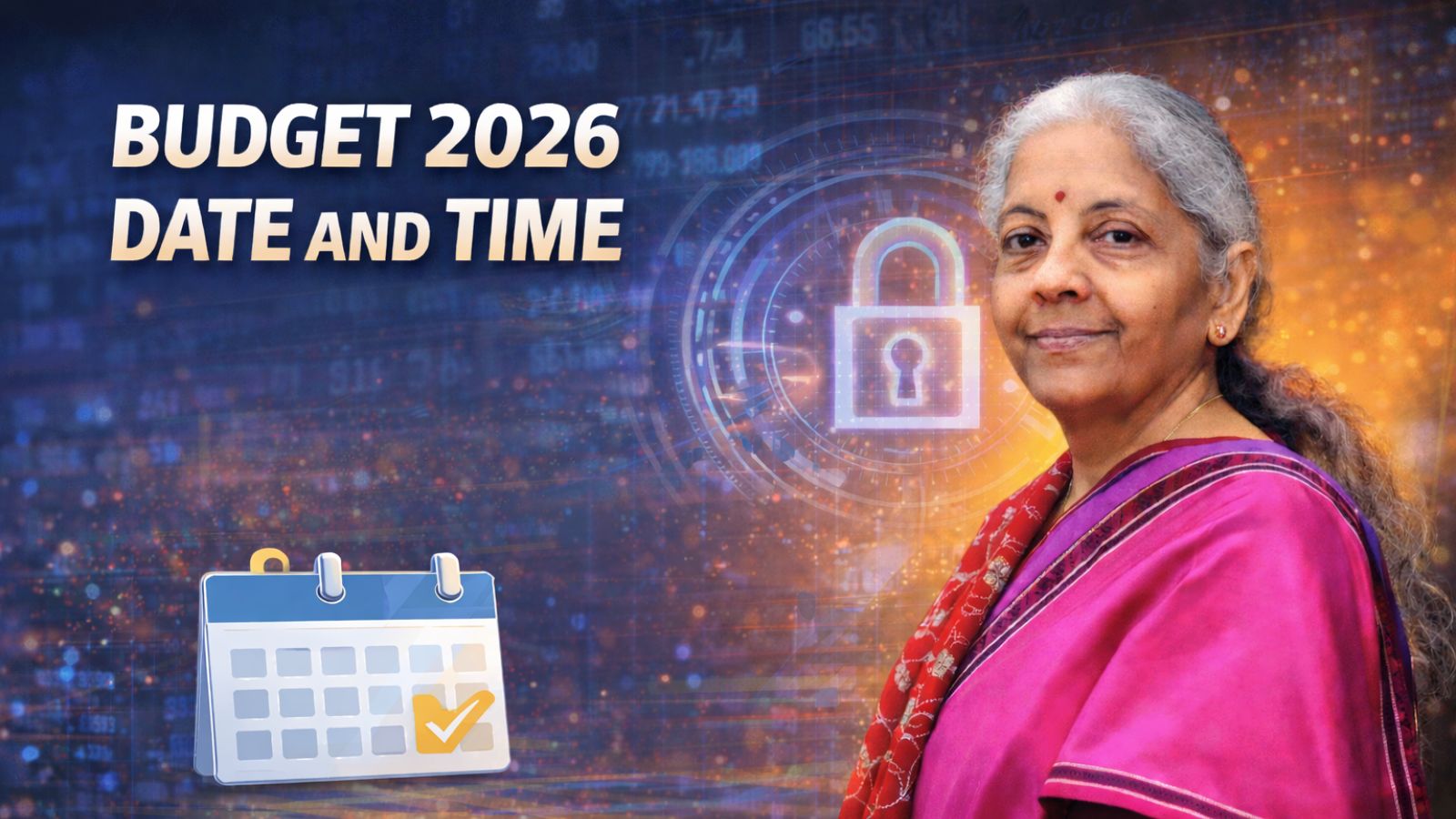
On Tuesday, January 27, a traditional Halwa ceremony took place at the Budget Press located in North Block. This significant event signifies the final phase of the budget preparation process for the eagerly awaited Union Budget 2026-27.
The much-anticipated Budget Session of Parliament commenced on January 28 and is slated to conclude on Thursday, April 2, 2026. During this period, both Houses of Parliament will adjourn for a recess starting from Friday, February 13, 2026, and reconvene on Monday, March 9, 2026. This break will enable the Standing Committees to scrutinize the Demands for Grants of various Ministries and Departments and submit their reports.
The Budget Session 2026 is expected to feature a total of 30 sittings, with 13 sittings in the first part and 17 sittings in the second part, spread over a span of 65 days. The focus now shifts to the crucial question of when the Union Budget 2026 will be presented and by whom.
Union Finance Minister Nirmala Sitharaman is all set to present her ninth consecutive budget on Sunday, February 1, around 11 am. The upcoming presentation of the Union Budget 2026 promises to be a pivotal moment for the nation's economic landscape.
The Halwa ceremony held on January 27 at the Budget Press in North Block saw the Union Finance Minister in the company of Secretaries from various departments under the Ministry of Finance, along with other senior officers involved in the budget preparation process.
Prime Minister Narendra Modi highlighted the historic moment as Finance Minister Nirmala Sitharaman, the first woman Finance Minister of India, prepares to present the budget for the ninth consecutive time in Parliament. He emphasized the government's commitment to the principles of Reform, Perform, and Transform.
As the nation eagerly awaits the Union Budget 2026 presentation, it is essential to stay updated with the latest developments. Follow us on Instagram to stay informed.
The Economic Survey 2025-26 delves into the factors influencing public behavior in public transport and communal spaces. It underscores the importance of clear rules, fair enforcement, reliable services, and a sense of ownership in fostering orderly conduct. Neglect of these spaces can potentially lead to disorderly behavior.
Weather Update
TRENDING STORIES
Copyright © 2026 Samachartimeshindi.com News24/7 All Rights Reserved. Designed By Websbird Technologies