
Latest News
"Kota Hostels and Messes Grapple with LPG Shortage, Students Turn to Firewood for Cooking"
12, Mar 26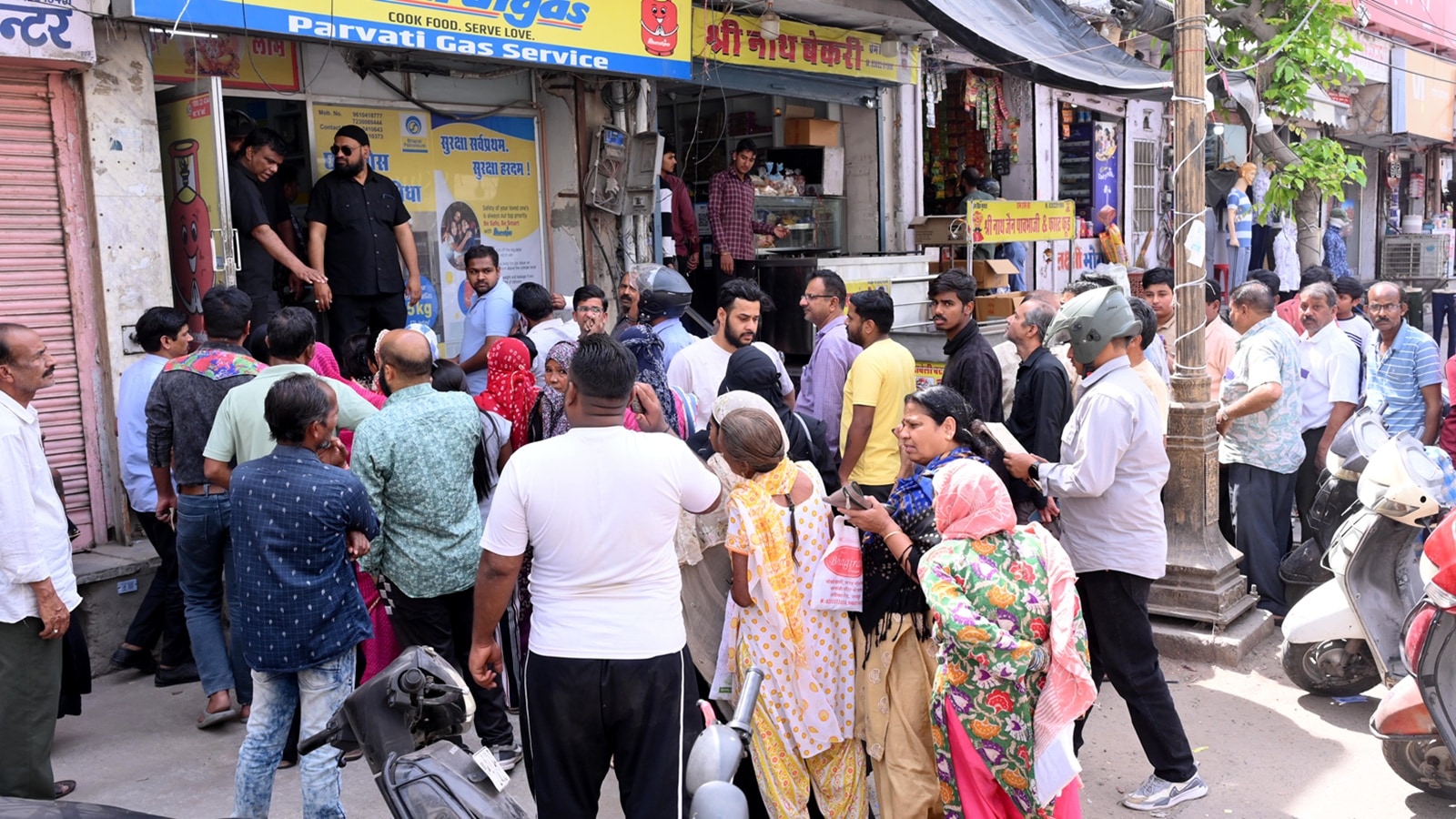
Stakeholders in Rajasthan have raised alarms over the potential impact on the state's manufacturing and tourism sectors due to a shortage of liquefied petroleum gas (LPG) caused by the ongoing conflict in West Asia. The situation is particularly dire in Kota, known as the coaching capital, where over 1 lakh students rely on hostels and food messes for their daily needs.
Naveen Mittal, president of the Hotels Association of Kota, highlighted the challenges faced by hostel and mess owners in providing essential services to students. With food and lodging included in the hostel fees, the shortage of LPG could disrupt the daily meals for students who come from all over India to study in Kota.
Approximately 4,000 hostels and 500 food messes operate in Kota, with some already resorting to using firewood for cooking due to the lack of LPG supply. Jasmer Singh, owner of a food mess in Kota, emphasized the critical need for LPG cylinders to sustain their operations and prevent economic collapse.
Manufacturing units in Rajasthan are also feeling the heat as they heavily rely on LPG for welding, cutting, and heating processes. Harmeet Singh, president of the Alwar Trade Federation, noted that the shortage of commercial LPG cylinders is affecting various industries, including the manufacturing of containers used in trucks.
Chief Secretary V Srinivas chaired a meeting to address the LPG supply situation in Rajasthan, ensuring that domestic cooking gas remains uninterrupted with adequate stocks available. Monitoring committees have been formed to prevent black marketing and ensure the smooth distribution of LPG to households, hospitals, and educational institutions.
Meanwhile, concerns are mounting in the tourism sector, with fears of disruptions if the LPG shortage persists. Jatin Shrimali, former secretary of the Udaipur Hotel Association, highlighted the challenges faced by tour guides and hotel owners during the peak tourist season, emphasizing the need for a swift resolution to the crisis.
The conflict in West Asia, disrupting the movement of ships through the crucial Strait of Hormuz, has significantly impacted India's LPG imports. With over 80% of the country's LPG shipments passing through this strategic waterway, the situation remains fluid, posing challenges for various industries dependent on uninterrupted gas supply.
For the latest updates on this developing story, follow us on Instagram.
Weather Update
TRENDING STORIES
Copyright © 2026 Samachartimeshindi.com News24/7 All Rights Reserved. Designed By Websbird Technologies