
Latest News
"Israel reopens Gaza's Rafah border crossing with Egypt, restoring vital link after extended closure"
02, Feb 26
The Rafah border, Gaza's only crossing with Egypt, has finally reopened after being closed for nearly two years following its capture by Israeli forces in May 2024. The reopening comes as a significant development for Palestinians seeking to enter or exit the war-torn territory.
The Rafah crossing was initially expected to reopen during the first phase of a ceasefire agreement between Israel and Hamas in October, supported by former US President Donald Trump. However, the Israeli government delayed the reopening until the return of the last Israeli hostage in Gaza, which occurred just last week.
Despite the reopening, only a small number of Palestinians are currently being permitted to cross the border, with restrictions on the passage of goods. This has raised concerns for the approximately 20,000 sick and injured Palestinians awaiting medical treatment outside of Gaza, as reported by local hospitals and the World Health Organization (WHO).
The Rafah crossing is now being operated by the European Union as part of the final phase of the US-brokered ceasefire deal from last year. Egypt's state-affiliated AlQaheraNews has reported that initially, only 50 individuals will be allowed to cross the border daily in each direction.
Before its seizure by Israeli forces in 2024, the Rafah border served as a crucial entry and exit point for Palestinians during periods of conflict and humanitarian crises. Now, as it reopens, the limited access highlights the ongoing challenges faced by Gaza's residents in seeking mobility and access to essential services.
The reopening of the Rafah border marks a small step forward for Palestinians in Gaza, though the restrictions on movement and goods continue to impact the daily lives of those living in the region. The situation at the border remains fluid as authorities work to balance security concerns with the humanitarian needs of the local population.
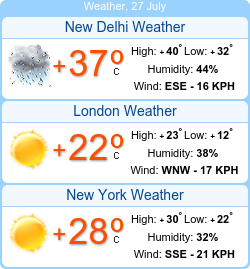
Weather Update
TRENDING STORIES
Copyright © 2026 Samachartimeshindi.com News24/7 All Rights Reserved. Designed By Websbird Technologies