Latest News
"India's Navigation Satellite System Faces Setback as One of Four Operational IRNSS Satellites Fails"
14, Mar 26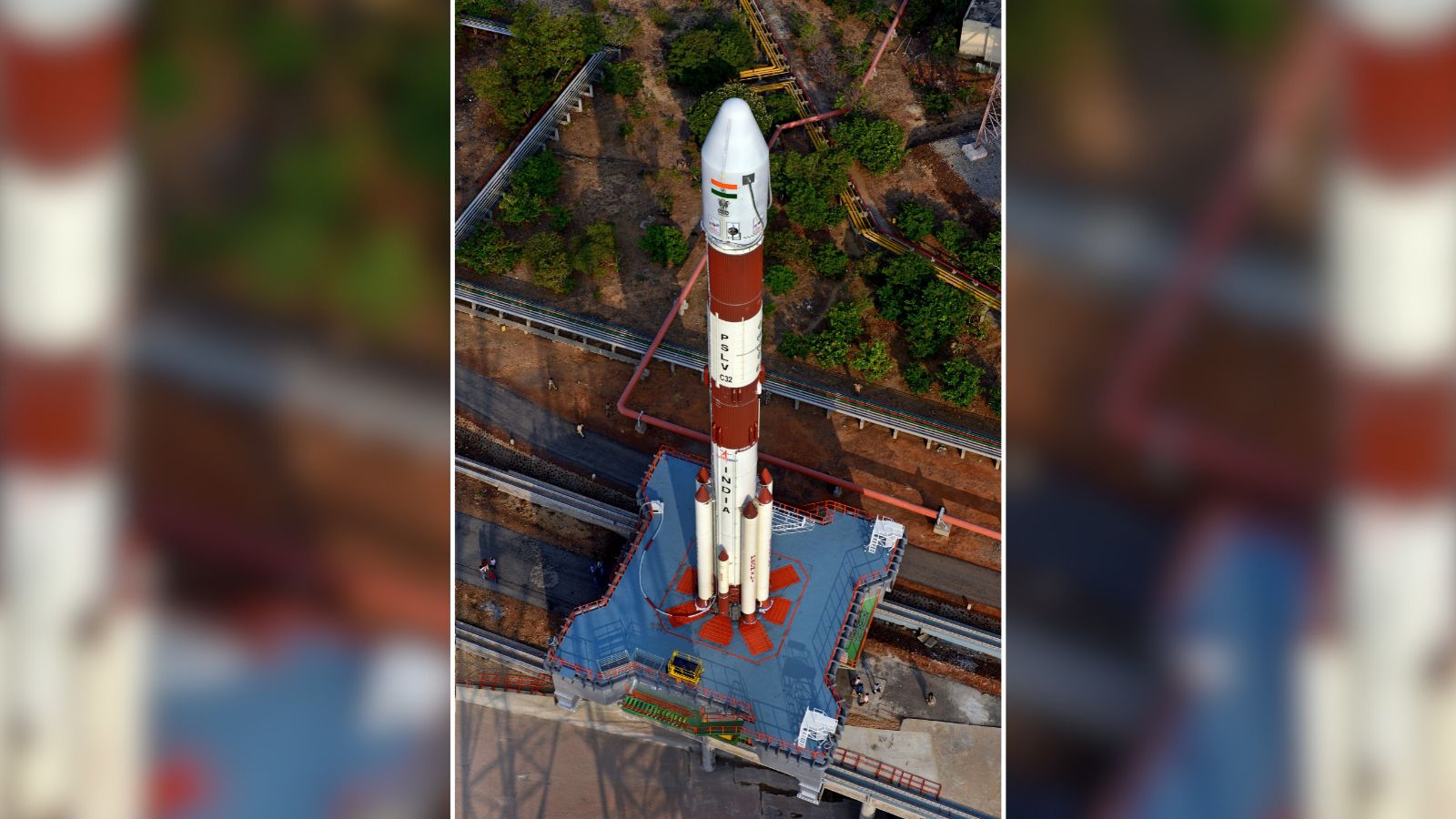
India's indigenous navigation satellite system, Navigation with Indian Constellation (NavIC), has encountered a significant setback with one of its operational satellites, IRNSS 1-F, experiencing a clock failure after a decade since its launch. This development marks a setback for the NavIC system, which requires a minimum of four fully operational indigenous navigation satellites to deliver navigation services to the public, including government agencies like railways and the military.
Launched on March 10, 2016, the IRNSS 1-F satellite reported a malfunction in its last functional atomic clock, leading to operational challenges. With only one of its three onboard atomic clocks operational, the satellite faced difficulties in providing accurate navigation services. The failure of the clock has raised concerns about the continuity of essential services provided by the NavIC system.
Despite the setback, senior officials at the Indian Space Research Organisation (Isro) remained tight-lipped about the specifics of the IRNSS 1-F satellite failure. Isro chairman Dr. V Narayanan referred to an official statement on the organization's website, acknowledging the malfunction of the onboard atomic clock on the satellite. The statement confirmed that while the clock had stopped functioning, the satellite would continue to serve various societal applications by providing one-way broadcast messaging services.
Over the years, Isro has launched multiple satellites for the NavIC system, with some facing challenges primarily due to defective imported atomic clocks and orbital issues. Among the 11 satellites launched since July 2013, six have encountered failures, impacting the system's operational efficiency. The recent incident with IRNSS 1-F adds to the series of setbacks faced by the NavIC program.
The failure of IRNSS 1-F's atomic clock raises concerns about the continuity and accuracy of location services provided by the NavIC system in India. With only a limited number of operational satellites currently supporting positioning, navigation, and timing services, efforts to enhance the system's capabilities have faced setbacks due to technical challenges.
Isro has acknowledged the need to address the challenges faced by the NavIC system, with plans to launch new-generation NavIC satellites to augment the existing constellation. Despite the setbacks, Isro remains committed to ensuring the continuity of navigation services and enhancing the performance of the indigenous navigation satellite system.
As Isro navigates through the challenges posed by the recent setbacks in the NavIC system, the organization remains focused on launching new satellites to bolster the capabilities of the indigenous navigation satellite system. With a strategic vision for the future, Isro aims to overcome hurdles and strengthen the NavIC system to deliver reliable navigation services to users across various sectors.
Weather Update

TRENDING STORIES
Copyright © 2026 Samachartimeshindi.com News24/7 All Rights Reserved. Designed By Websbird Technologies