
Latest News
"India Stands Firm, Rejects 'So-Called' Arbitration Award as 'Null and Void' in IWT Dispute"
16, May 26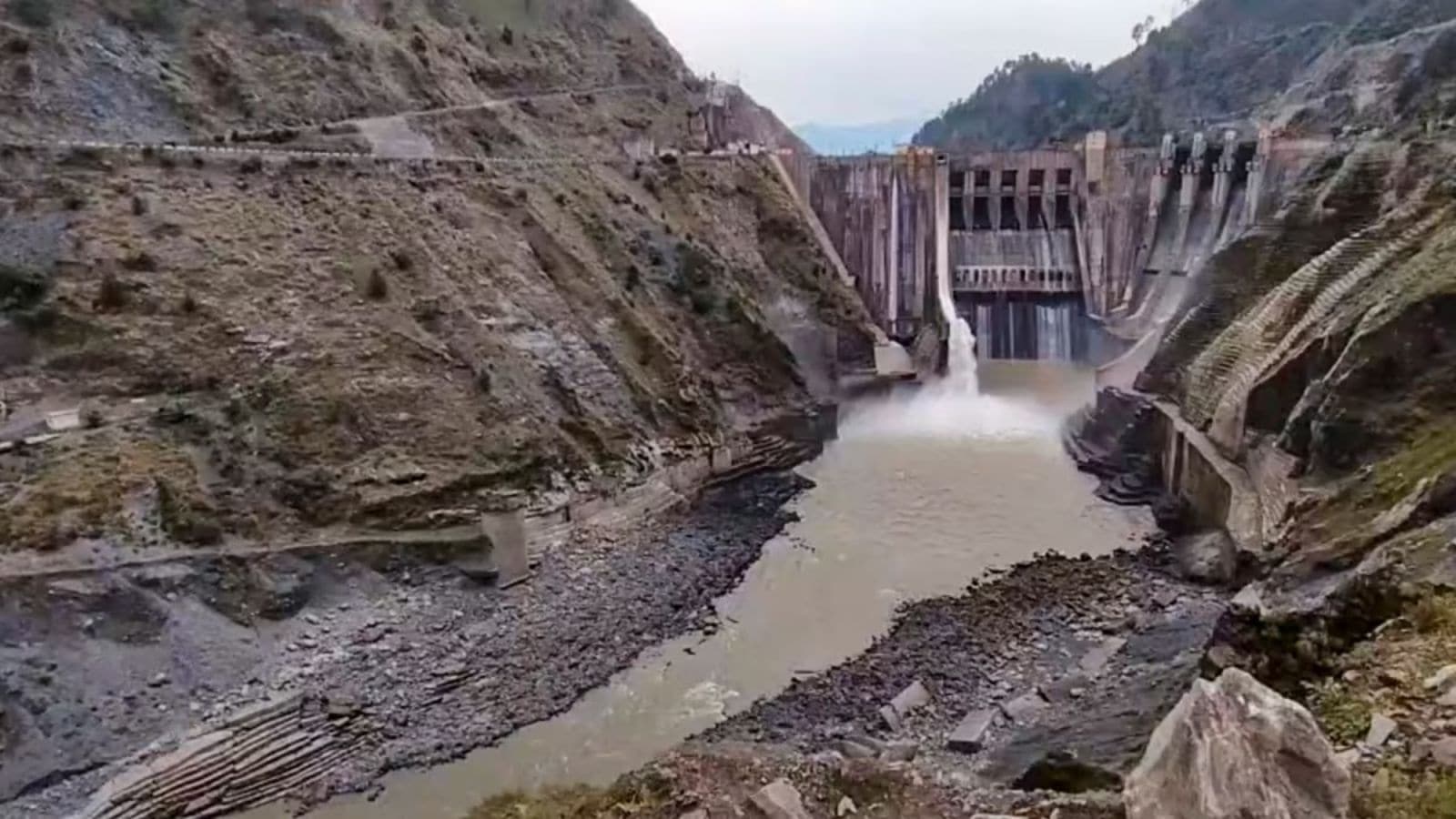
India unequivocally dismissed the recent award as a mere facade, continuing a trend of defiance against the Court of Arbitration's decisions. The Ministry of External Affairs spokesperson, Randhir Jaiswal, rebuffed the "so-called award" issued on May 15 by the disputed Court of Arbitration (CoA) in relation to the Indus Waters Treaty disputes with Pakistan.
In a press statement, Jaiswal declared, "India categorically rejects the present so-called award, just as it has firmly rejected all prior pronouncements of the illegally constituted CoA." Expressing India's non-recognition of the CoA, he emphasized that any rulings by the entity hold no legal standing.
The Indus Waters Treaty, signed on September 19, 1960, was the culmination of extensive negotiations between India and Pakistan. The agreement, consisting of 12 Articles and 8 Aexures, delineates the sharing of river waters between the two nations. Under the treaty, India has the rights to the Eastern Rivers (Sutlej, Beas, and Ravi), while Pakistan is entitled to the Western Rivers (Indus, Jhelum, and Chenab) for their unrestricted use.
In a significant move in January 2023, India initiated a notice to Pakistan seeking a modification of the treaty, marking the first of its kind in over six decades since the treaty's inception. This action was followed by a more assertive step in September 2024, as India issued a formal notice to Islamabad requesting a review and modification of the IWT.
India's decision to suspend the Indus Waters Treaty following the Pahalgam terror attack in April 2024 underscored the nation's firm stance on national security and regional stability. The move to keep the treaty in abeyance signaled a strategic shift in India's approach towards its transboundary water agreements.
As the treaty approaches its 65th year, the recent dismissal of the CoA's award adds a new chapter to the ongoing saga of water disputes between India and Pakistan. The resolute rejection by India sets the stage for potential recalibrations in the bilateral water-sharing arrangements.
For more updates and insights, follow us on Twitter and Instagram for the latest developments.
Weather Update
TRENDING STORIES
Copyright © 2026 Samachartimeshindi.com News24/7 All Rights Reserved. Designed By Websbird Technologies