
Latest News
"FIDE CEO Considers Eliminating Ratings Spot for Candidates 2028 Following Magnus Carlsen's Criticism"
06, Dec 25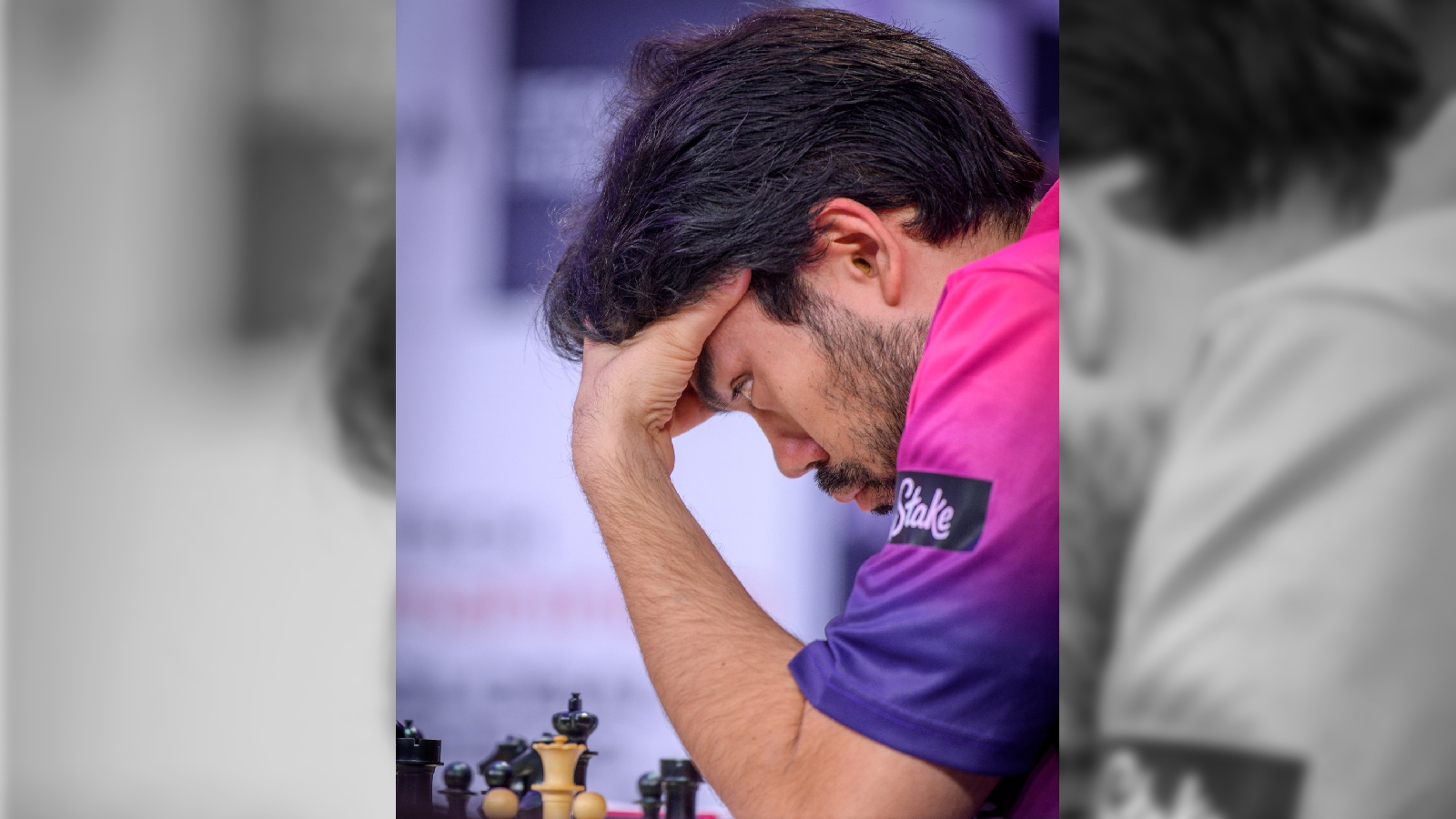
Following Hikaru Nakamura's successful qualification for the Candidates tournament, five-time world champion Magnus Carlsen has openly criticized the process by which the ratings spot was awarded. The controversy sparked a heated exchange between Carlsen and FIDE CEO Emil Sutovsky, with the latter vowing to propose the elimination of the ratings pathway entirely from future world chess championship cycles.
As in previous editions, the race to secure one of the eight spots in the prestigious Candidates tournament has been intense, with players vying to meet the qualifying criteria. The ratings spot, which is awarded to the highest-rated player in the FIDE rating list who has not qualified through other pathways such as the FIDE World Cup or the Grand Swiss, has been a point of contention.
Carlsen's criticism of Nakamura's qualification method, which involved playing in state chess championships in the USA to meet the required number of games, has drawn attention to the complexities of the current system. The world champion expressed disbelief at the necessity for Nakamura to participate in additional tournaments to secure his spot, questioning the logic behind such requirements.
In response to Carlsen's remarks, FIDE CEO Emil Sutovsky issued a strong statement, rejecting the idea of selecting players based solely on being "clearly good enough." Sutovsky emphasized the importance of maintaining a rigorous qualification process for the Candidates tournament and hinted at potential changes to eliminate the ratings pathway in future editions.
The ongoing debate highlights the challenges in balancing the need for a fair and competitive qualification system with the demands placed on top players in the chess world. The upcoming proposals by Sutovsky signal a potential shift in how players will earn their spots in the prestigious Candidates tournament, setting the stage for a new era in world chess championship cycles.
Weather Update
TRENDING STORIES
Copyright © 2026 Samachartimeshindi.com News24/7 All Rights Reserved. Designed By Websbird Technologies