
Latest News
"Controversy Erupts as Trump's Visa Rules Threaten Entry of Senegal and Côte d’Ivoire Fans to FIFA World Cup 2026"
18, Dec 25
US Travel Restrictions to Impact World Cup Attendance for Haiti and Iran
As the excitement for the upcoming World Cup builds, nations like Senegal and Côte d’Ivoire are gearing up to showcase their vibrant football spirit both on and off the field. However, a shadow looms over the tournament as Haiti and Iran face severe travel restrictions imposed by the US government, threatening to dampen the attendance at their games.
Stringent Visa Policies Implemented
In response to the arrest of an Afghan man accused of a shooting near the White House, the US government has tightened its visa policies, leading to potential entry limitations and partial restrictions for fans from these countries. The Trump administration cited high overstay rates on visitor visas as the reason behind the ban.
Concerns Raised by Football Community
The latest travel restrictions have sparked criticism from fans worldwide, with concerns raised about potential discrimination based on political views or national origin. Jonan Evain, executive director of Football Supporters Europe, emphasized the need for guarantees to ensure that fans from all over the world can safely attend the games.
Exemptions for Athletes and Families
While the travel restrictions pose a challenge for many, exemptions will be made for athletes, coaches, and their immediate families traveling for major sporting events like the World Cup. The statement detailed that individuals associated with athletic teams will be allowed entry despite the restrictions.
FIFA's Stance on Travel Bans
In 2017, FIFA had cautioned against travel bans potentially impacting the hosting of the 2026 World Cup. FIFA president Giai Infantino stressed the importance of ensuring access for all qualified teams, including their supporters and officials, to the host country. The relationship between Infantino and President Trump has seen a shift since then, underscoring the complexities surrounding the issue.
As the world eagerly awaits the spectacle of the World Cup, the implications of the US travel restrictions on attendance highlight the broader challenges faced in ensuring inclusivity and access for all participants and fans.
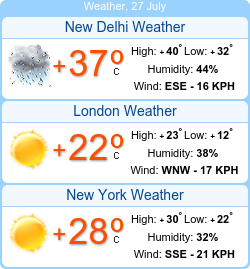
Weather Update
TRENDING STORIES
Copyright © 2026 Samachartimeshindi.com News24/7 All Rights Reserved. Designed By Websbird Technologies