
Latest News
"5 University Townships Set to Flourish with New Girls Hostel in Every District, Education Sector Booms!"
02, Feb 26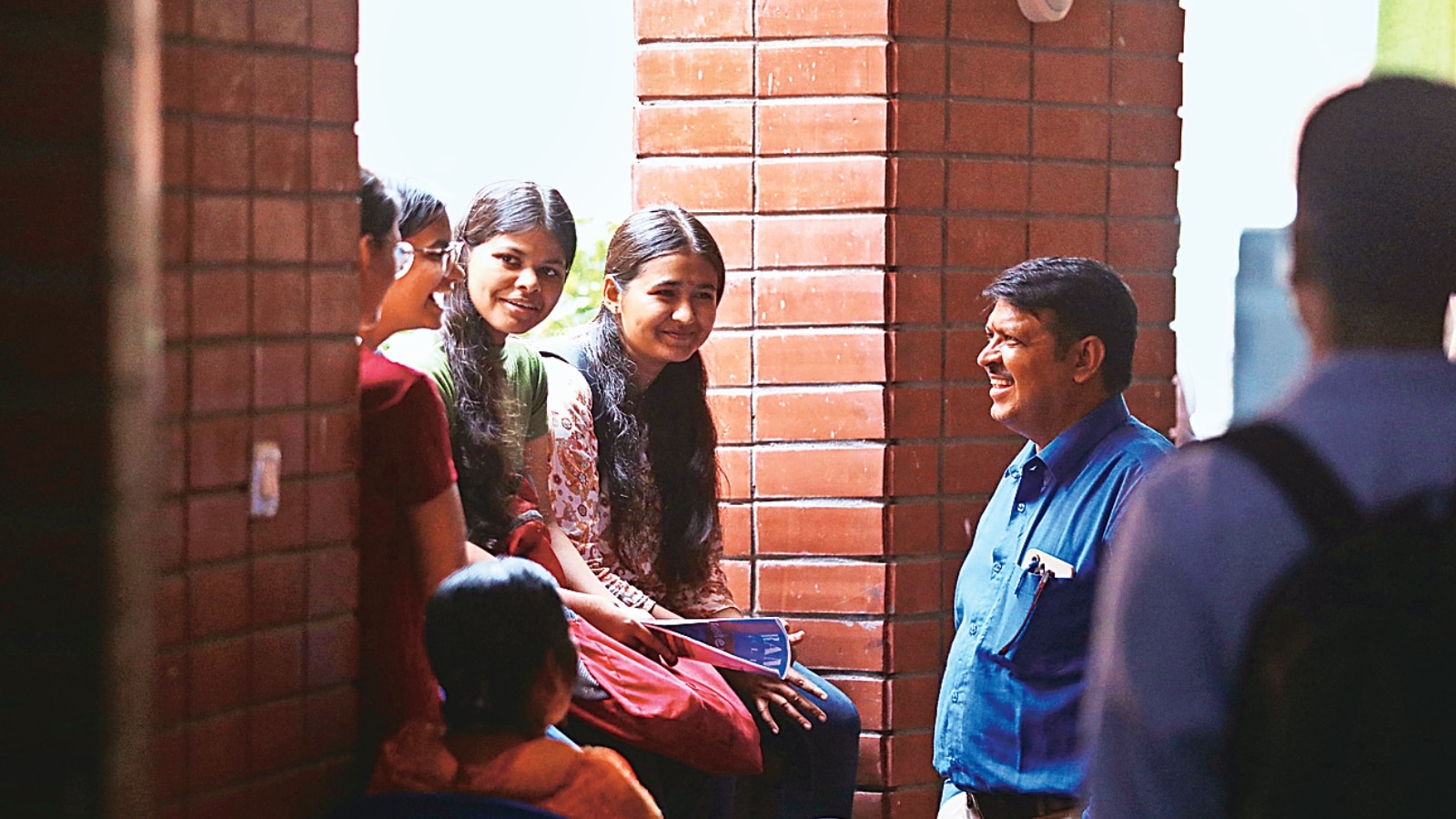
The Union Budget for the year 2026-2027 has brought significant developments in the education sector, with the Ministry of Education seeing an 8% increase in allocation from Rs 128 lakh crore to Rs 139 lakh crore. Finance Minister Nirmala Sitharaman unveiled key aouncements aimed at enhancing educational infrastructure and opportunities across the country.
One of the highlights of the budget is the proposal to create five university townships in the vicinity of major industrial and logistic corridors. These academic zones will host multiple universities, colleges, research institutions, skill centers, and residential complexes, providing a conducive environment for higher education and research.
Moreover, the government aims to establish a girls' hostel in every district to support female students pursuing education in STEM fields. This initiative will be implemented through viability gap funding capital support, ensuring a safe and conducive living environment for girls pursuing their academic goals.
The budget allocates a larger increase of Rs 5,649 crore in higher education, totaling Rs 55,727 crore, compared to Rs 4,990 crore allocated for school education, totaling Rs 83,562 crore. The government emphasizes the importance of providing quality education within the country to reduce the dependency on foreign universities.
Additionally, a fresh provision of Rs 200 crore has been made for the 'Prime Minister Research Chair Scheme' to attract eminent researchers and promote research and iovation in Indian higher education institutions.
While regulatory bodies and premier institutions like IITs and IIMs have seen an increase in support, research institutions such as IISc and IISERs have faced a drop in allocation for the second consecutive year. The government aims to address these challenges and create a conducive ecosystem for research, iovation, and entrepreneurship in the education sector.
Other notable aouncements include the establishment of a new National Institute of Design in the eastern region, the setup of Animation, Visual Effects, Gaming, and Comics (AVGC) content creator labs in schools and colleges, and the formation of an 'education to employment and enterprise' standing committee to assess the impact of emerging technologies on jobs and skill requirements.
As the education sector undergoes significant transformations, these initiatives aim to enhance the quality of education, promote research and iovation, and equip students with the necessary skills for a rapidly evolving job market.
Weather Update
TRENDING STORIES
Copyright © 2026 Samachartimeshindi.com News24/7 All Rights Reserved. Designed By Websbird Technologies