
Latest News
"2023 Jr WC Team Captain Reveals Devastating Impact of Toxic Air on India's Athletes: Breathing Problems, Coughing, Infections, and Allergies Reported"
23, Jan 26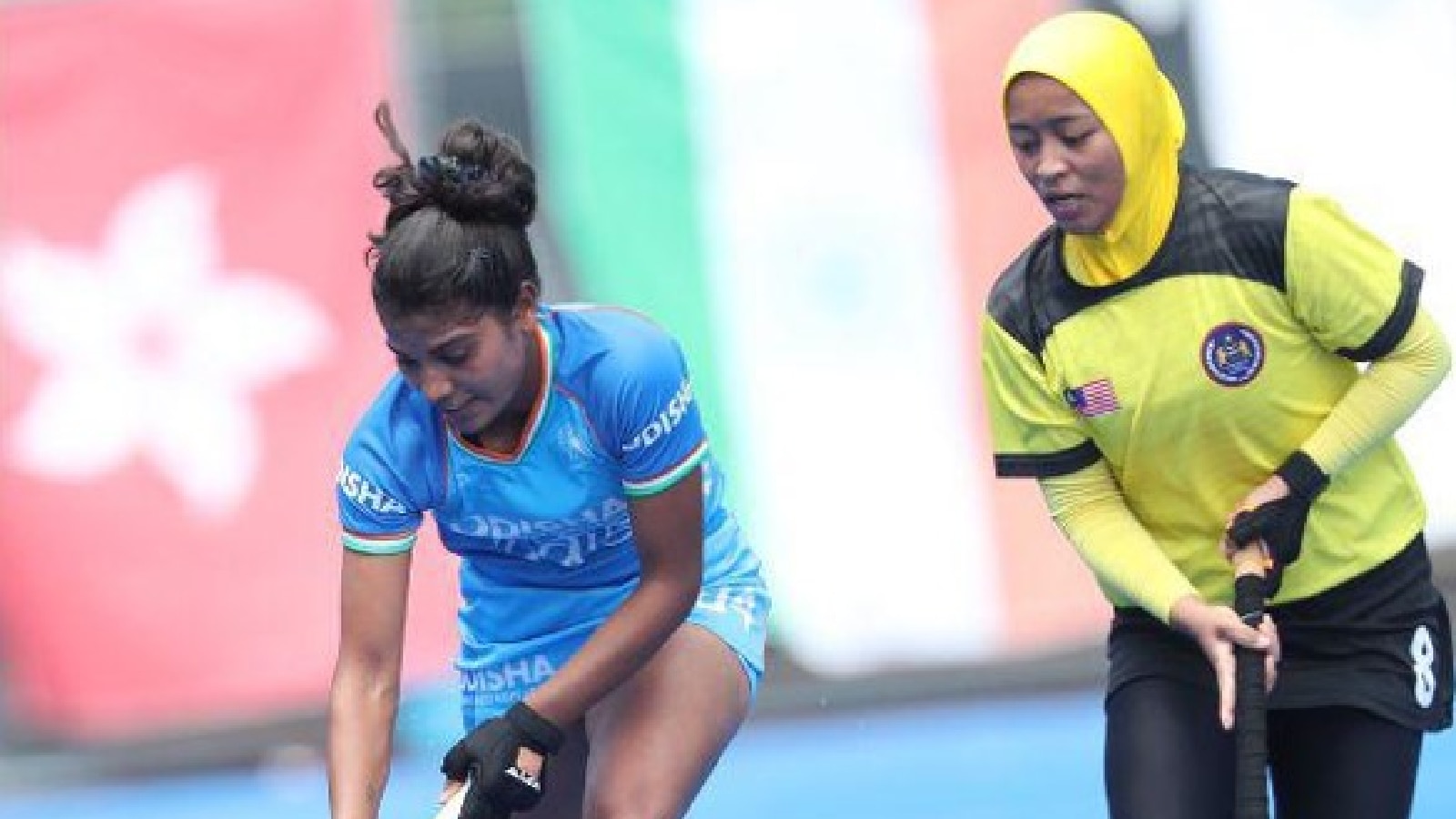
India's hockey star and former captain of the Junior World Cup team, Preeti Panchal, recently shared her challenges with breathing issues, persistent coughing, throat infections, and allergies caused by the increasing pollution levels in the National Capital Region.
The deteriorating air quality in the region has not only affected Preeti but also athletes from various sports disciplines like boxing, wrestling, athletics, para-athletics, cycling, shooting, and hockey. Coaches and experts are raising concerns about the impact of these conditions on health and training as India gears up for the 2036 Olympics.
During the India Open, international badminton stars lodged complaints with the International Olympic Committee about the air pollution in Delhi, citing health risks and concerns about the challenging training conditions.
Reflecting on her personal ordeal, Preeti recalled a training session where she faced sudden breathing difficulties and persistent coughing, leading to a six-month struggle with health issues. Despite medication improving her condition, she still faces challenges with breathing and itching while playing.
Pollution directly impacts athletes' training routines, making ruing and breathing more challenging, and often leading to allergies and limitations in playing time. The deteriorating turf conditions due to dust pose safety risks, emphasizing the need for regular maintenance to prevent injuries.
Preeti highlighted the contrasting training experiences in Bangalore, where the weather allows for longer and more productive training sessions compared to Sonepat. Cleaner air and improved facilities could significantly enhance athletes' performance and potential for growth.
As athletes like Preeti continue to navigate the adverse effects of pollution on their training and health, the call for better environmental conditions and facilities becomes crucial for their overall well-being and success in sports.
Weather Update
TRENDING STORIES
Copyright © 2026 Samachartimeshindi.com News24/7 All Rights Reserved. Designed By Websbird Technologies